Cashless payments at festivals: a complete guide for event organizers in Tunisia
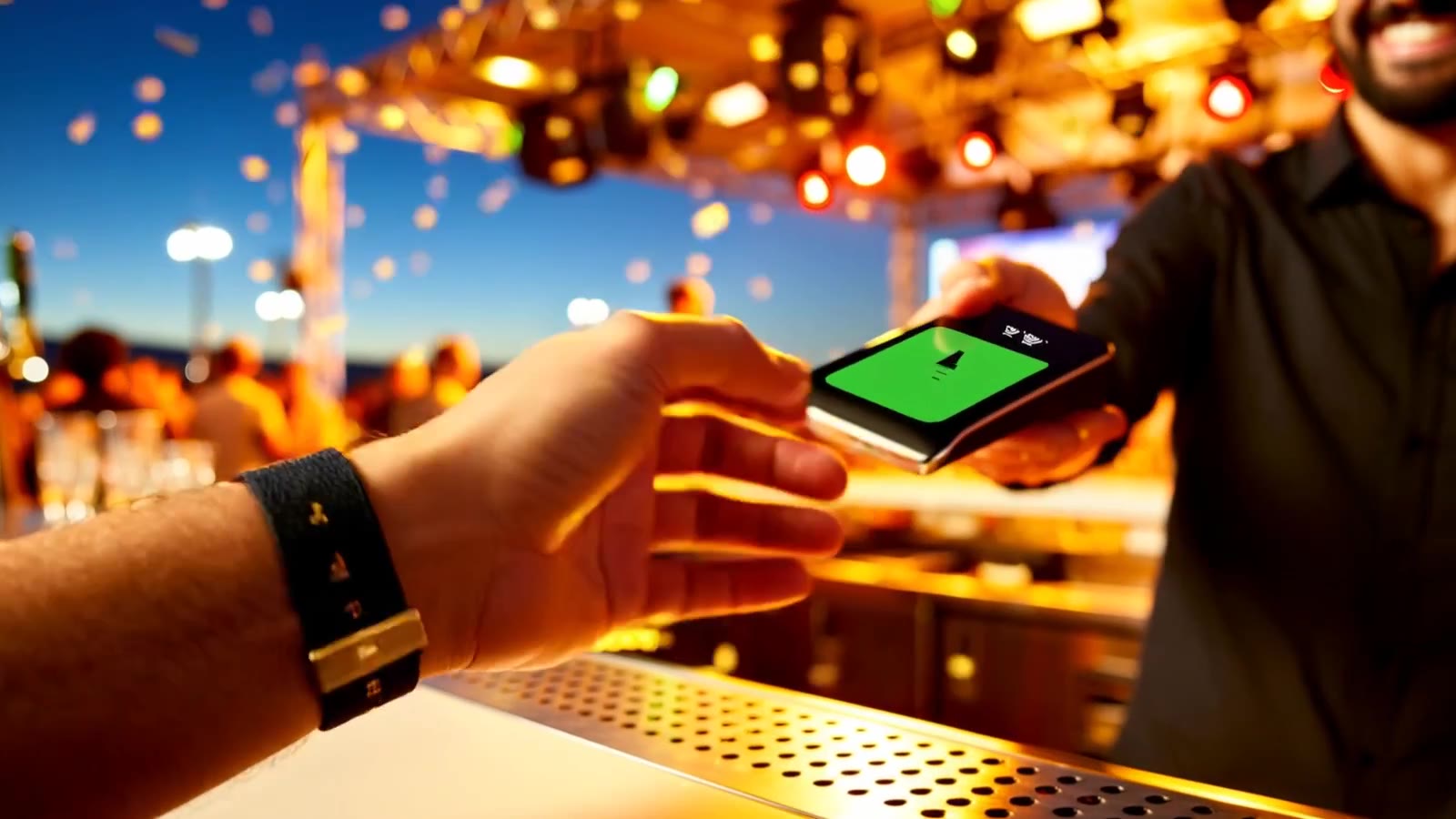
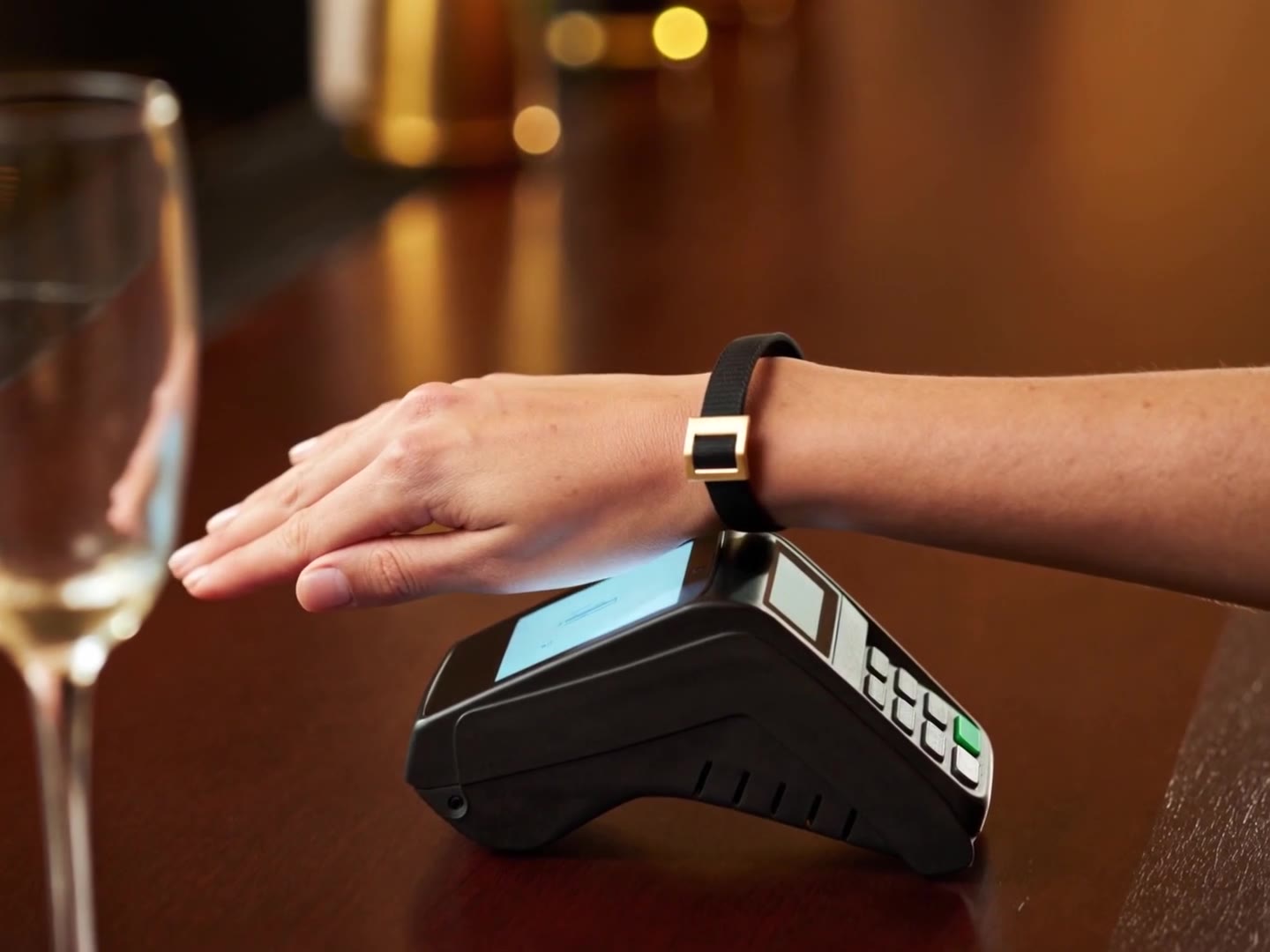
Cash is expensive for a festival. You need floats, change, and people to count, move and guard the money, and every handful of coins handed back makes the bar queue longer. Cashless payments replace all of that with a single gesture: the guest holds a wristband to the terminal, the payment is approved in a second, and the sale appears on the organizer’s dashboard right away.
This guide explains how a cashless system works at a festival, what it changes for everyone involved, and the steps to set one up in Tunisia.
What is a cashless system for events?
A cashless system is a wallet that belongs to the event. Each guest gets an NFC carrier, usually a wristband, sometimes a card or a tag. It is linked to a balance in dinars that the guest tops up before or during the event. At bars, food stands and merch booths, they pay by tapping the wristband on a terminal.
A complete system has four parts:
- NFC carriers: woven fabric, silicone or Tyvek wristbands, plus tags and cards.
- Terminals: a POS at every point of sale, with an NFC reader or an Android phone used as the reader.
- Top-up channels: mobile wallet, online bank card, and kiosks or desks on site.
- The organizer platform: menus and prices, staff, live sales, top-ups, refunds and vendor payouts.
What it looks like for guests
- They load a balance before the event with their mobile wallet or card, or on site at a desk, in cash or by card.
- They pay with one tap at every bar and stand. No waiting for change, no bank card out in the crowd.
- They get back what they didn’t spend. With automatic refunds on, the remaining balance goes back to them after the event, with no form to fill in.
That last step matters for trust. Guests who know they will get their balance back top up more readily, and don’t leave feeling they lost money.
What cashless changes for the organizer
Shorter queues, more sales
Most of the time lost at a bar is spent on payment: counting, giving change, waiting for a bank terminal to find a network. A wristband payment takes a second. Bartenders serve more people per hour, and guests who wait less come back more often.
Cash flow you can see live
Every payment reaches the dashboard immediately: revenue per bar, best sellers, top-ups, balances in circulation. At 11 pm you know what is happening at 11 pm, not the next morning while counting tills.
Less cash to handle
Cash can still be taken at the top-up desk, but it is kept in one place with a dedicated team. Bars no longer handle money, which cuts till errors and theft.
Simple vendor payouts
When a festival hosts food stands or partner brands, each point of sale has its own POS and its own statement. What you owe each vendor is worked out from actual sales, not from what they declare.
What to check before choosing a solution
- Wristband security. A wristband must be impossible to copy. At Kashless, NTAG wristbands are checked against NXP’s originality signature, and MIFARE Classic wristbands use a token that changes with every payment: a cloned band is detected and blocked.
- Top-up methods that fit Tunisia: payments in dinars, bank cards, the national e-DINAR card, mobile wallets and cash at the desk.
- Refunds: automatic or on request, and how quickly.
- Points of sale: you should be able to create as many bars and stands as you need, each with its own menu and prices.
- Support: who sets up the event, trains the staff and stays reachable during the night?
Setting up cashless for your event, step by step
- Four to six weeks before: define the points of sale, menus, top-up methods and wristband design. Branded wristbands need production time.
- Two to three weeks before: open online top-ups and tell your guests. The earlier they load, the smoother the gates and bars on the day.
- The day before: install and test the terminals, train the bartenders (the gesture takes minutes to learn) and prepare the top-up desk.
- During the event: follow sales live, move staff to the busiest bars, approve top-up requests.
- After: refund remaining balances, pull statements per point of sale and pay vendors.
Which events is it for?
Cashless pays off as soon as there are several points of sale and a lot of footfall: festivals and concerts, food courts and malls, beach clubs and rooftops, private dinners and galas where the host doesn’t want guests reaching for their wallets. To go further, read our guide to NFC wristbands for events and our tips to cut bar queues at festivals.
Kashless: cashless built for Tunisia
Kashless is a cashless payment platform designed in Tunis by Konnect Network. Anti-clone NFC wristbands in your colours, a POS for every bar, top-ups by wallet, card or desk, automatic refunds and a live dashboard, with a team that stays with you from setup to the final payout.